
How to Care for & Style Crochet Clothing: The Complete Guide
Handmade crochet is meant to last for years and look more beautiful with every wear. The secret isn’t complicated — it’s knowing the few small habits that keep cotton crochet soft, shaped and stretch-free, and how to style it so it works from the beach to the city.
There’s a reason crochet keeps coming back season after season: it’s breathable, endlessly wearable, and quietly handmade in a world of fast fashion. But because each piece is worked stitch by stitch from natural cotton yarn, it asks for a little more care than a machine-knit T-shirt — and rewards that care generously.
This guide covers everything we tell our own customers: how to wash and dry crochet without ruining its shape, how to store it, how to deal with stains and pilling, what to wear underneath, and how to style it for any occasion.
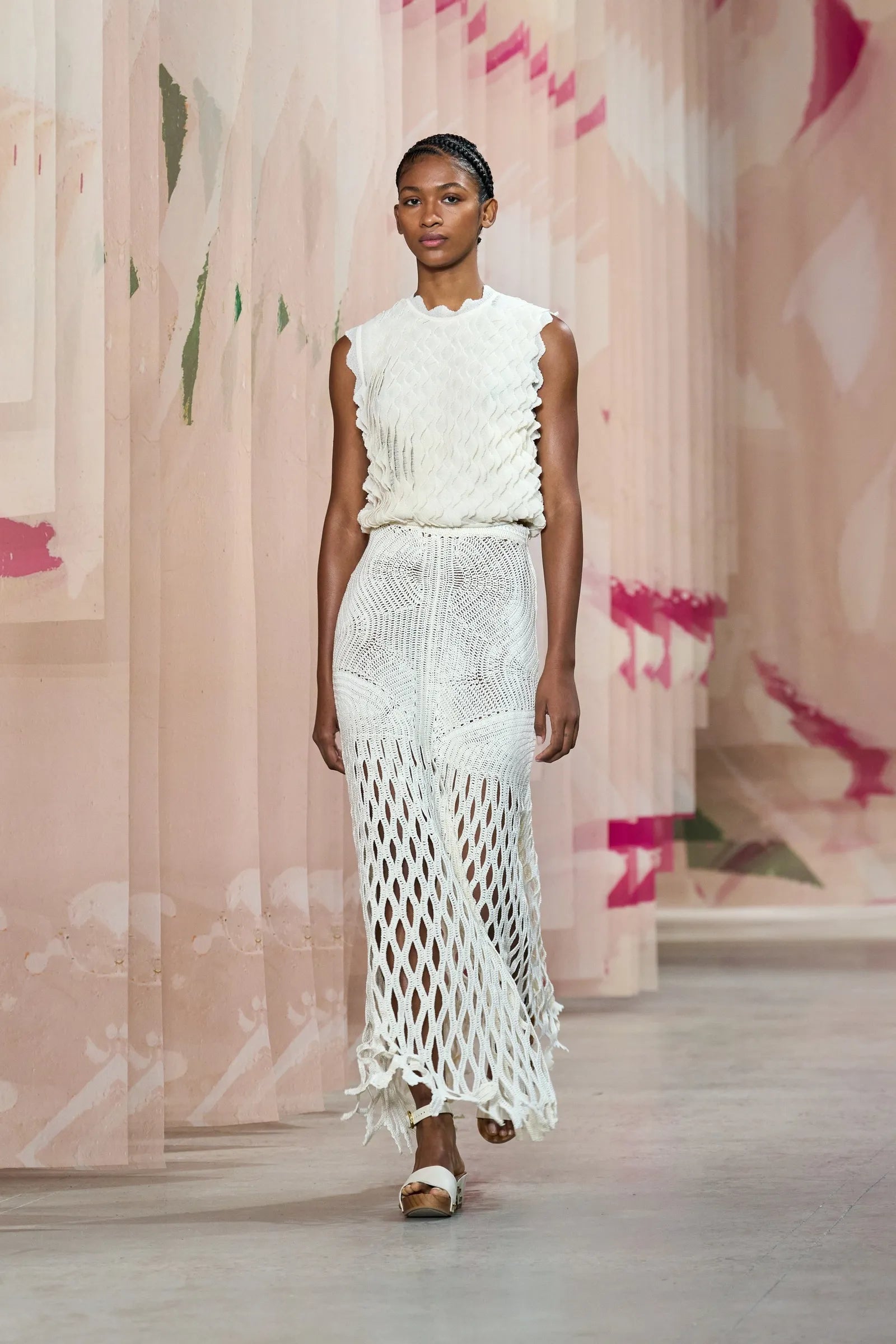
Part 01Why Crochet Needs Special Care
Crochet is built from interlocking loops rather than a tightly woven cloth. That open structure is exactly what makes it light, airy and texturally beautiful — but it also means the fabric can stretch out of shape if handled roughly, especially when wet. Cotton yarn absorbs water and becomes heavy, and that weight is what pulls a garment longer or wider if you hang or wring it.
The good news: cotton is a forgiving, natural fibre. Treat it gently and it will hold its shape, soften pleasingly over time, and outlast most of your wardrobe. Nearly all of crochet care comes down to two ideas — be gentle with water and never let a wet piece carry its own weight.
Handmade things ask for handmade habits. A few minutes of care buys you years of wear.
Part 02How to Wash Crochet Clothes
Hand washing is always the gentlest and safest choice for crochet. It takes five minutes and protects the stitches, shape and colour far better than a machine ever will.
The hand-wash method (recommended)
- Fill a basin with cool to lukewarm water. Cold or lukewarm water protects the fibres and prevents shrinking. Hot water is the single most common cause of misshapen crochet.
- Add a small amount of gentle detergent. Use a mild, pH-neutral or wool/delicate wash. Skip bleach, fabric softener and anything labelled “whitening”.
- Submerge and swish — don’t scrub. Gently move the garment through the water for a minute or two; let it soak for up to ten minutes if it needs freshening.
- Rinse in clean cool water. Press the water through the piece rather than rubbing the stitches against each other.
- Press, never wring. Gather the garment into a loose bundle and press out the water with your hands. Twisting distorts the loops.
If you must machine wash
Many sturdier cotton crochet pieces tolerate a careful machine wash. If you go this route:
- Place the garment inside a mesh laundry bag to stop it snagging or stretching.
- Choose a cold, delicate or hand-wash cycle with a low spin speed.
- Wash with similar colours and weights — never with towels, jeans or anything with zips and hooks.
- Use a small dose of gentle detergent only.
Never tumble dry, wring, soak in hot water, or use bleach and fabric softener on crochet. These are the four things most likely to permanently change a garment’s shape or texture.
Part 03Drying Without Stretching
This step matters more than any other. A wet crochet garment is heavy, and gravity is not your friend — so the rule is simple: dry crochet flat.
- Roll it in a towel. Lay the washed piece flat on a clean dry towel, roll it up like a sleeping bag, and press gently to draw out excess water.
- Unroll and reshape. Lay the garment flat on a fresh dry towel or mesh rack and gently pat it back into its natural shape and size while still damp.
- Dry away from heat and sun. Keep it out of direct sunlight (which fades colour) and away from radiators. Flip it once so both sides dry evenly.
Never hang wet crochet on a hanger or line — the weight of the water will stretch the shoulders and hem permanently. Once fully dry, lighter pieces can be hung briefly, but folding is always safer.
Part 04Storing Crochet the Right Way
How you store crochet between wears protects its shape just as much as how you wash it.
- Fold, don’t hang. Store crochet flat in a drawer or on a shelf. Hangers create shoulder bumps and stretch heavier pieces.
- Keep it cool and dry. Damp storage invites mildew; direct light fades natural cotton dyes over time.
- Protect from moths. For long-term storage, add cedar blocks or a lavender sachet rather than chemical mothballs.
- Give it air. Avoid sealing cotton in airtight plastic for months — breathable garment bags are better.
Part 05Stains, Pilling & Small Repairs
Treating a stain
Act quickly and gently. Blot — never rub — with cool water and a tiny amount of mild detergent. Work from the outside of the stain inward to stop it spreading, then hand wash as usual. Avoid harsh stain removers, which can bleach natural cotton.
Dealing with pilling
Little bobbles of fibre are normal with natural cotton and don’t mean the garment is wearing out. Remove them carefully with a fabric comb or battery-powered fabric shaver, working lightly so you don’t catch a loop.
A loose loop or snag
Don’t cut it. Use a crochet hook or blunt needle to gently ease the loose loop back through to the inside of the garment, then smooth the area flat. Catching it early keeps the stitch structure intact.
Part 06What to Wear Underneath Crochet
Crochet has an open, textured weave, so most pieces are gently semi-sheer — that’s part of the look, not a flaw. The right layer underneath gives you the coverage you want while keeping that relaxed, handmade feel.
- Tops & bralettes: a fitted seamless camisole, bralette or bandeau in a tone close to your skin or the garment colour.
- Dresses: a slip dress or seamless bodysuit underneath for full coverage and a smooth line. A contrasting slip can also become a styling feature.
- Swimwear & cover-ups: a coordinating bikini or one-piece is the intended layer — let it peek through as part of the outfit.
- Tone tip: nude and matching tones disappear under crochet; bold contrasting layers make the texture pop.
Part 07How to Style Crochet for Any Occasion
Crochet is one of the most versatile fabrics in a summer wardrobe. The same piece can read beachy, polished or evening depending on what you pair with it.
Beach & resort
Layer a crochet top or dress over swimwear, add flat sandals, oversized sunglasses and a straw bag. Effortless, golden-hour ready.
Everyday & daytime
Tuck a crochet top into high-waisted linen trousers or a denim skirt. Keep accessories minimal — gold hoops and a slim sandal let the texture do the talking.
Evening & occasion
Pair a crochet dress with heeled sandals, a structured clutch and warm-toned jewellery. A slip underneath in a deeper tone instantly dresses the look up.
Transitional weather
Layer a crochet top under a tailored blazer or over a fitted long-sleeve, and add ankle boots to carry the boho feel into cooler months.
Part 08Quick Care Cheat-Sheet
| Do this | Not this |
|---|---|
| Hand wash in cool / lukewarm water | No hot water |
| Gentle, pH-neutral detergent | No bleach or fabric softener |
| Press water out gently | No wringing or twisting |
| Dry flat, reshape while damp | No hanging wet · no tumble dryer |
| Fold and store flat | No long-term hanging |
| Mesh bag if machine washing | No mixing with zips / towels |
Timeless crochet, effortless style
Discover handmade crochet pieces designed for everyday elegance — and built to follow this care guide for years.
Shop the collection